Unlocking the Power of Visual Feedback: The Role of Rating Icons in Modern Design
In today's fast-paced digital landscape, visual communication has become more critical than ever. One of the most versatile and impactful tools in this arena is the Rating Icon. This simple yet powerful symbol is not just a design element; it's a key component in enhancing user experience, providing valuable feedback, and driving engagement across various platforms.
Understanding the Rating Icon
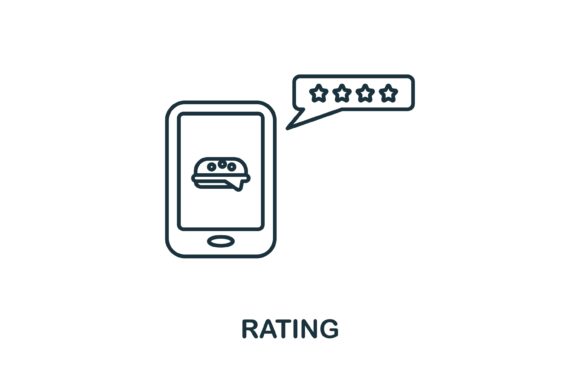
The Rating Icon is a graphical representation used to indicate levels of satisfaction, quality, or performance. Typically, it appears as a set of stars, but it can also take the form of thumbs up, hearts, or other symbols. These icons are designed to be easily recognizable and universally understood, making them an essential part of modern web and app interfaces.
Why Rating Icons Matter
Rating icons play a crucial role in several aspects of digital and physical experiences:
- User Feedback: They provide a quick and intuitive way for users to express their opinions and experiences, which is invaluable for businesses and creators looking to improve their offerings.
- Decision-Making: For consumers, rating icons serve as a reliable guide when choosing products, services, or content. High ratings often indicate quality and trustworthiness.
- Engagement: Interactive rating systems encourage users to engage more deeply with content, leading to increased interaction and loyalty.
Industry Trends and the Relevance of Rating Icons
The rise of user-centric design and the increasing importance of customer feedback have made rating icons more relevant than ever. As businesses strive to create more personalized and engaging experiences, these icons help bridge the gap between the provider and the consumer.
Changing Needs and Preferences
Modern consumers expect seamless, intuitive, and visually appealing experiences. Rating icons meet these expectations by offering a simple and effective way to gather and display feedback. This trend is particularly evident in the following areas:
- E-commerce: Online shopping platforms use rating icons to help customers make informed decisions, reducing the likelihood of returns and improving overall satisfaction.
- Content Platforms: Websites and apps that host user-generated content, such as reviews, articles, and videos, rely on rating icons to highlight popular and high-quality content.
- Service Industries: From hotels and restaurants to healthcare providers, rating icons are used to gauge customer satisfaction and identify areas for improvement.
Practical Applications and Observations
The versatility of rating icons makes them a valuable asset in various contexts. Here are some practical examples of how they are being used:
- Infographics: Incorporating rating icons into infographics can help visualize data and make it more engaging. For instance, a comparison chart might use star ratings to show the relative quality of different products or services.
- Web Design: In web design, rating icons are often used to enhance the visual appeal and functionality of a site. They can be integrated into product pages, review sections, and interactive elements to provide instant feedback.
- Marketing Campaigns: Marketers use rating icons in campaigns to highlight positive reviews and testimonials, building trust and credibility with potential customers.
Connecting to Larger Developments
The use of rating icons is part of a broader shift towards more data-driven and user-centric approaches in business and design. As technology advances and consumer expectations evolve, the need for effective and visually appealing feedback mechanisms will only increase. Rating icons are a key part of this evolution, providing a simple yet powerful tool for enhancing user experiences and driving business success.
Future Outlook
Looking ahead, the integration of rating icons is likely to become even more sophisticated. With the advent of AI and machine learning, these icons could be used to generate more detailed and actionable insights, further personalizing and optimizing user experiences. Additionally, as more businesses adopt a design thinking approach, the creative and strategic use of rating icons will continue to play a vital role in shaping the future of digital and physical interactions.
In conclusion, the Rating Icon is more than just a design element; it's a powerful tool that enhances user engagement, provides valuable feedback, and drives better decision-making. As the digital landscape continues to evolve, the relevance and impact of rating icons will only grow, making them an indispensable part of modern design and business strategies.